
Short answer: Cosmetic surgery in China is a well-established option for Canadians seeking high-quality procedures at a fraction of Western private prices — typically 30–70% less than private care in Canada or the US. China’s top plastic surgery departments, housed in Grade 3A and JCI-accredited hospitals, combine experienced high-volume surgeons, modern facilities, and rigorous safety standards. With proper planning — accredited hospitals, verified surgeon credentials, and a realistic recovery stay — many Canadians achieve safe, satisfying outcomes. Eternity China Medical Tour, a Markham-based coordination service, helps you plan every step.
Why Canadians Travel for Plastic Surgery Abroad
In Canada, cosmetic procedures are almost entirely private-pay — a facelift, rhinoplasty, or breast procedure can cost tens of thousands of dollars, with months of waiting just for a consultation. The Fraser Institute’s “Leaving Canada for Medical Care 2025” report estimates roughly 105,529 Canadians received non-emergency treatment abroad, part of a growing trend of Canadians looking beyond borders for timely, affordable care.
Plastic surgery abroad has matured enormously over the past decade. South Korea and Thailand get the headlines, but China has quietly become one of the world’s highest-volume cosmetic surgery markets, with top-tier hospitals meeting international accreditation standards.
Cosmetic Surgery in China: Procedures Canadians Travel For
The most requested procedures among international patients include rhinoplasty (nose reshaping — Chinese surgeons perform very high volumes), facelifts and neck lifts (often combined with fat grafting for natural-looking results), eyelid surgery (blepharoplasty) — Chinese surgeons are among the world’s most experienced at these techniques — liposuction and body contouring, and breast procedures (augmentation, lift, reduction) using internationally recognized implant brands.
Non-surgical treatments (fillers, Botox, laser resurfacing, thread lifts) are also widely available at a fraction of Canadian prices — many patients combine a surgical procedure with non-surgical touch-ups in one trip.
Why China’s Top Hospitals Stand Out
Cosmetic surgery in China isn’t about bargain-basement clinics. The leading plastic surgery departments sit inside Grade 3A hospitals — China’s highest accreditation tier — and many hold JCI accreditation, the international gold standard for patient safety.
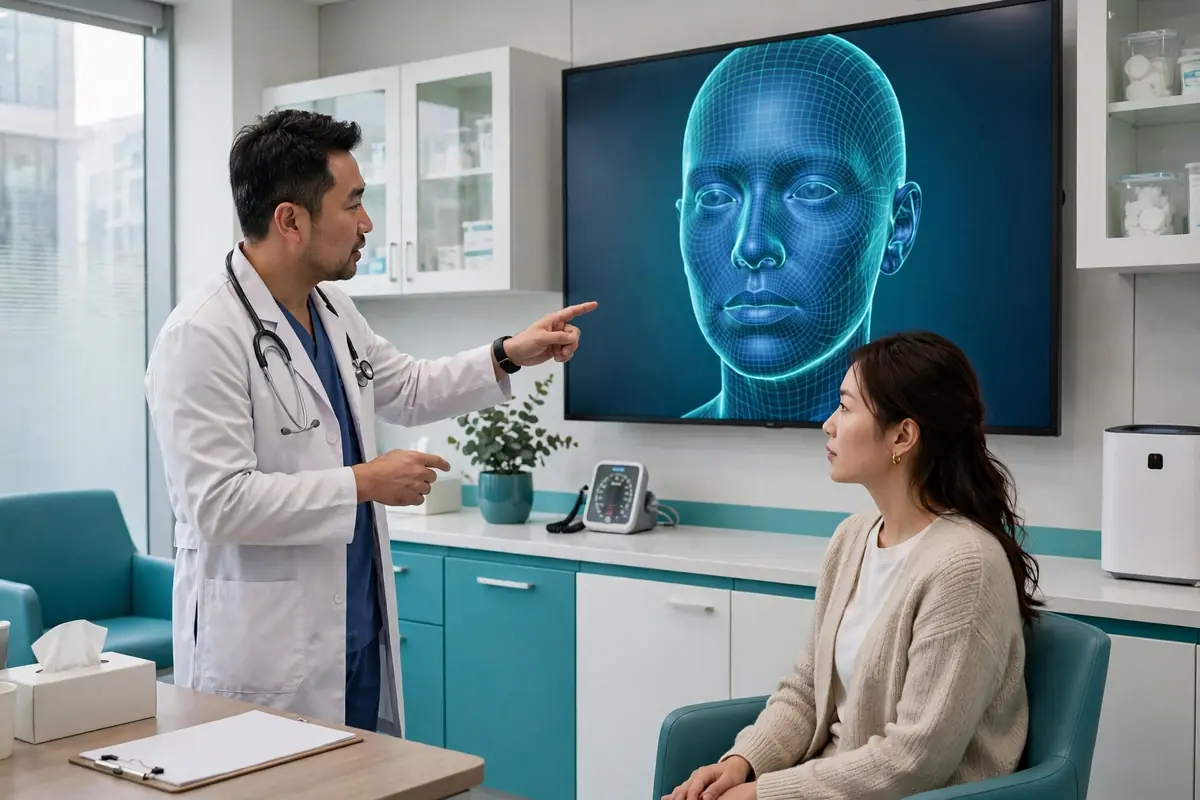
What distinguishes the top centers: extraordinary surgical volume (a surgeon performing hundreds of rhinoplasties a year develops a refinement that’s hard to match); hospital-based safety, with procedures done inside full-service hospitals with ICUs and anesthesia departments rather than standalone clinics; modern techniques and equipment identical to top Western clinics, including 3D imaging for surgical planning; and a regulated environment overseen by China’s National Health Commission. Affordable cosmetic surgery in Asia doesn’t mean compromising on safety — the key is choosing the right tier of facility.
Cost Comparison: China vs. Canada and the US
All figures are typical ranges; individual quotes vary by surgeon, technique, facility, and whether procedures are combined:
- Rhinoplasty: Canada CAD $10,000–$18,000+; US USD $10,000–$20,000+
- Facelift (full): Canada CAD $18,000–$35,000+; US USD $15,000–$35,000+
- Blepharoplasty (upper + lower): Canada CAD $7,000–$12,000+
- Breast augmentation / liposuction: Canada CAD $8,000–$15,000+
In China at a top hospital, each of these typically costs 30–70% less than Western private care.
The savings on rhinoplasty in China alone can exceed the entire price of flights and a two-week hotel stay — which is why combining procedures in one trip is so popular. An honest note: beware of quotes that seem impossibly cheap — rock-bottom prices often signal unaccredited facilities or hidden add-on fees.
Your Safety Checklist
Use this checklist for any facility you consider:
- Hospital accreditation: Grade 3A? JCI accredited? Ask for proof — these are verifiable credentials.
- Surgeon credentials: Who exactly will operate? Verify the surgeon’s license, plastic-surgery specialization, years of experience, and case volume for your specific procedure.
- Anesthesia: Will a licensed anesthesiologist — not the surgeon — administer and monitor anesthesia?
- Facility standards: Hospital operating room with ICU backup, or a clinic without emergency capacity?
- Before/after documentation: Genuine photos of the surgeon’s own patients with anatomy similar to yours?
- Written quote: Itemized surgeon’s fee, anesthesia, facility, implants, medications, follow-ups — and what’s excluded?
- Language: Professional medical interpretation at every consultation and on surgery day?
- Emergency plan: What happens if there’s a complication, and who is responsible?
Eternity China Medical Tour verifies these points with partner hospitals before recommending them, and puts the answers in writing.
Planning Your Recovery Stay
One of the most common mistakes in medical travel is flying home too soon. Realistic timelines: facelift abroad patients should plan 14–21 days (sutures out around 7–10 days; most visible bruising subsides by two weeks); rhinoplasty 10–14 days; breast procedures 10–14 days; blepharoplasty 7–10 days; liposuction 7–14 days depending on extent.
Plan for at least one post-operative check and explicit clearance before you board. Our coordinators arrange accommodation near the hospital, schedule follow-up visits, and make sure you’re genuinely ready to fly. Canadian passport holders get 30-day visa-free entry to China, which comfortably covers even the longest recovery stays.
A Note on Revision Policies
No surgery comes with a guarantee, and revisions are occasionally needed anywhere in the world — including Canada. What matters is how the surgeon and hospital handle it. Before committing, ask: What is the policy if a revision is needed within the first year? Is there a reduced surgeon’s fee for revisions? Who decides whether a revision is warranted? If a complication needs treatment after you’ve returned to Canada, what support is available? Reputable surgeons discuss this openly.
FAQ
Is cosmetic surgery in China safe for Canadians?
It can be very safe with accredited facilities and verified surgeons: Grade 3A hospitals with JCI accreditation, confirmed surgeon credentials and case volume, hospital-based operating rooms with ICU backup, and an adequate recovery stay. Avoid unaccredited clinics competing on price alone.
How much can I save on cosmetic surgery in China vs. Canada?
Typically 30–70% less than Western private care for comparable procedures at top-tier hospitals — individual quotes vary. Even after flights and accommodation, most patients save substantially.
How long should I stay in China after cosmetic surgery?
Roughly 7–10 days for eyelid surgery, 10–14 days for rhinoplasty or breast procedures, and 14–21 days for facelifts — with at least one post-operative check and flight clearance before going home.
Will the results look natural?
China’s top surgeons perform high volumes with modern techniques prioritizing natural results. Review the surgeon’s own before-and-after photos for patients with similar anatomy.
Does Eternity perform the surgery?
No. Eternity China Medical Tour is a coordination service based in Markham, Ontario — not a hospital. We connect you with accredited hospitals and licensed surgeons, verify credentials, manage logistics and interpretation, and support recovery planning — all medical care is provided by the hospital’s own physicians.
A Final Thought
Cosmetic surgery is a personal decision, and cost shouldn’t force you to compromise on safety — or to wait years saving for a procedure at home. China’s top plastic surgery hospitals offer experienced surgeons, accredited facilities, and prices that make your goals achievable sooner.
Thinking about a procedure? Contact our Markham team for a free, no-pressure consultation — we’ll discuss your goals honestly, verify your options, and help you plan a safe trip with realistic timelines.